



How the 2026 GMC Canyon TurboMax Engine Supports Work and Recreation Around Colorado Springs, CO
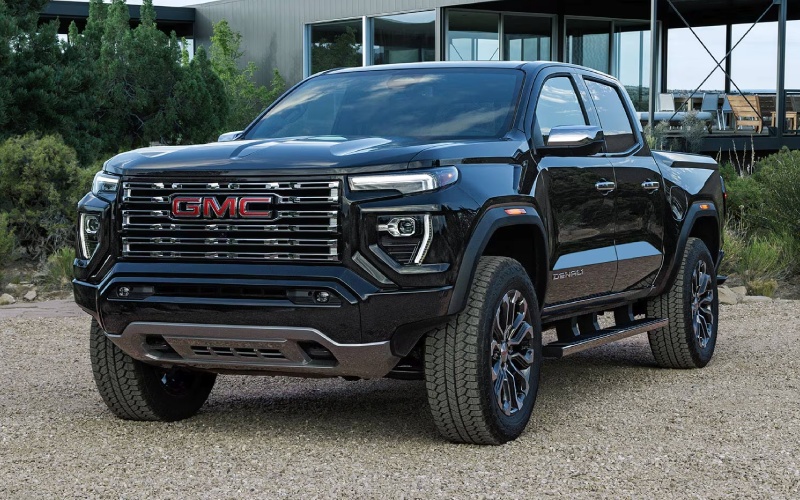
Wilcoxson GMC – How the 2026 GMC Canyon TurboMax Engine Supports Work and Recreation Around Colorado Springs, CO
A mid-size truck should feel manageable during the week and capable when the road, trailer, or task list asks for more. That balance is exactly why the 2026 GMC Canyon deserves attention from shoppers who want strong performance without moving into a full-size pickup. The heart of the truck is the standard TurboMax® Engine, a powertrain designed to deliver confident acceleration, practical towing strength, and the low-end response truck owners appreciate when carrying cargo or navigating uneven terrain. For drivers comparing mid-size pickups, the Canyon makes a compelling case because its engine is not treated as an upgrade reserved for higher trims. GMC gives the Canyon a strong foundation from the start, which means shoppers can focus more on choosing the trim, technology, and capability package that fits their lifestyle.
The TurboMax® Engine produces 310 horsepower and 430 lb.-ft. of best-in-class standard gas engine torque, giving the Canyon the kind of muscular feel that makes it useful beyond ordinary commuting. Torque is especially important in a pickup because it affects how confidently the truck moves from a stop, pulls weight, climbs grades, and responds when loaded. Whether you are comparing the Elevation, AT4, AT4X, or Denali, the Canyon’s standard engine helps create a consistent sense of strength across the lineup. At Wilcoxson GMC, serving Colorado Springs, Canon City, and Fountain, we often speak with shoppers who want one vehicle that can be comfortable for daily driving and ready for trailering, hauling, or outdoor gear. The Canyon’s powertrain gives those shoppers a clear reason to look closer.
Why Standard Torque Matters in a Mid-Size Pickup
Horsepower gets plenty of attention, but torque is what many truck drivers feel first. When a pickup has strong standard gas engine torque, it can feel more responsive in real-world situations: merging onto a highway, pulling away from a stop with a trailer attached, moving up a grade, or carrying equipment in the bed. The Canyon’s 430 lb.-ft. of torque gives it a confident personality, especially when paired with its mid-size footprint. It feels purposeful rather than oversized, and that can matter to shoppers who want a truck that fits into daily life as naturally as it fits into weekend plans.
GMC also builds the Canyon around capability rather than treating strength as a single specification. When properly equipped, the Canyon can tow up to 7,700 lbs., which opens the door to small campers, utility trailers, side-by-side trailers, work equipment, and recreational gear. Just as important, the truck offers available tools designed to make towing easier to manage. The ProGrade® Trailering System helps streamline the hitching and towing process, while the available In-Vehicle Trailering App can provide custom trailer profiles, trailer statuses, and other useful information through the GMC Infotainment System. For drivers who tow occasionally, these features can reduce guesswork. For drivers who tow often, they can make the routine feel more controlled.
Technology That Helps You Use the Power
Capability is more valuable when the truck helps the driver access it with confidence. The Canyon offers an 11.3″ diagonal GMC Infotainment System with available Google built-in compatibility, along with an 11.0″ diagonal Driver Information Center. Together, these screens create a modern command center for navigation, entertainment, vehicle settings, and available trailering information. Wireless Apple CarPlay® compatibility and Wireless Android™ Auto compatibility help drivers bring familiar smartphone functions into the cabin, while available voice-activated technology keeps many interactions simple.
Camera technology is another major advantage, especially for shoppers who plan to tow, park in tight areas, or explore less predictable terrain. Depending on trim and equipment, the Canyon offers HD Rear Vision Camera with Hitch View, HD Surround Vision, and up to 10 available camera views. On AT4X, segment-first underbody cameras can provide front- and rear-facing views underneath the vehicle, helping drivers better understand what is happening below the truck when conditions become technical. That is a meaningful feature for off-road-minded shoppers because it adds visibility where traditional mirrors and forward sightlines cannot help as much.
- Daily confidence: Strong torque helps the Canyon feel responsive in town and on highways.
- Towing support: Available trailering tools help simplify hitching, monitoring, and maneuvering.
- Off-road awareness: Available underbody cameras on AT4X can improve visibility over obstacles.
- Connected control: Large driver-focused screens help organize key vehicle and infotainment details.
How the Canyon Trim Lineup Shapes the Experience
The engine gives every Canyon a strong baseline, but the trim you choose changes the personality of the truck. Elevation is a smart fit for drivers who want capability, bold styling, an 11.3″ diagonal center touchscreen, an 11.0″ diagonal digital Driver Information Center, 18″ Gloss Black finish aluminum wheels with all-terrain tires, and practical features that support everyday use. AT4 adds a more rugged attitude with off-road-focused design and available technology such as the multicolor 6.3″ diagonal Head-Up Display. AT4X takes trail capability further with a 3″ factory lift, selectable front and rear electronic locking differentials, and standard underbody cameras.
Denali brings the Canyon’s strength into a more premium setting. It includes a Denali-exclusive Jet Black interior with Teak accents, perforated leather-appointed seating, laser-etched open-pore wood trim, a Bose* Premium Audio System, HD Surround Vision, and exclusive 20″ diamond-cut aluminum wheels. For shoppers who want truck capability but prefer a more refined cabin, Denali creates a distinctive blend. The important point is that the TurboMax® Engine supports each of these personalities. You can choose practical, rugged, specialized, or premium without giving up the core strength that makes the Canyon appealing.
Practical Details Beyond the Engine
A truck is only as useful as the features that support the way it is used. The Canyon’s cargo bed includes eight standard tie-downs to help secure gear, plus an available 120V outlet for powering compatible tools and electronics. The available MultiStow® Tailgate adds first-in-class integrated tailgate storage with an included drain, which is useful for keeping smaller items separated from the bed or storing gear that you want easy access to. Available spray-on bedliner, available CornerStep rear bumper, and available half-gate position all add to the truck’s day-to-day versatility.
Inside, the Canyon can be equipped for comfort as well as function. Available dual-zone automatic climate control, rear console HVAC vents, available heated power driver seating, available wireless charging, and available Bose* audio help the cabin feel more polished. This matters because many truck owners use one vehicle for everything: commuting, errands, work, travel, towing, and recreation. A capable engine gets the job done, but a well-designed interior makes the miles feel easier.
Frequently Asked Questions:
Is the TurboMax® Engine standard on the Canyon?
Yes. The 2026 Canyon features a standard 310-hp TurboMax® Engine, giving shoppers strong capability across the lineup.
How much can the Canyon tow?
When properly equipped, the Canyon offers max towing of up to 7,700 lbs., making it a strong choice for many utility and recreational trailers.
Which Canyon trim is best for off-road driving?
AT4 is built with off-road attitude, while AT4X is the most specialized trail-focused trim thanks to features such as a 3″ factory lift, selectable front and rear electronic locking differentials, and underbody cameras.
Does the Canyon offer modern safety features?
Yes. Canyon Pro Safety includes Automatic Emergency Braking, Following Distance Indicator, Forward Collision Alert, Front Pedestrian and Bicyclist Braking, IntelliBeam, and Lane Keep Assist with Lane Departure Warning.
The 2026 GMC Canyon is appealing because it does not ask shoppers to choose between usable power and everyday livability. Its standard TurboMax® Engine gives it the strength expected from a GMC truck, while available trailering technology, camera systems, premium cabin materials, and smart cargo solutions make that strength easier to enjoy. If your search is focused on a mid-size pickup that can handle work tasks, towing needs, road trips, off-road routes, and daily comfort, the Canyon should be high on your list.
Request more 2026 GMC Canyon information
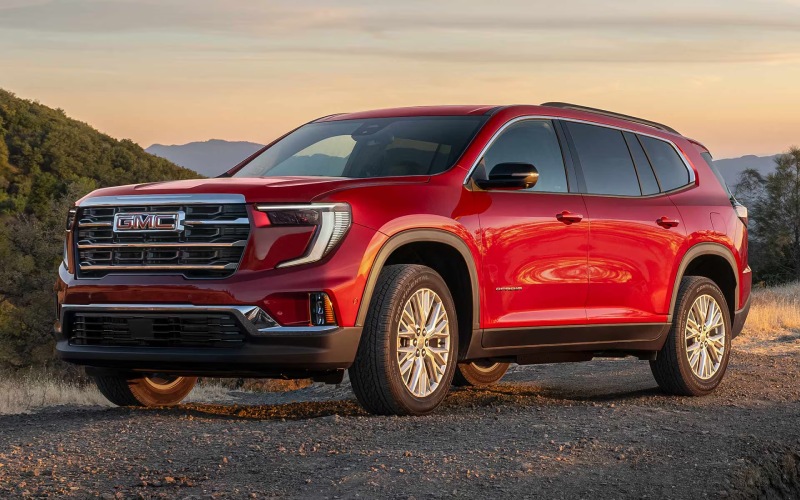
Wilcoxson GMC – How Super Cruise Elevates the 2026 GMC Acadia for Pueblo, CO Families
The 2026 GMC Acadia is designed for drivers who want a mid-size SUV that feels modern, spacious, and thoughtfully engineered for everyday life. One of its most talked-about available features is Super Cruise hands-free driver assistance technology, a system that adds a new level of convenience on compatible roads. For families, commuters, and professionals who spend meaningful time behind the wheel, that kind of advanced support can make the Acadia feel less like a basic people mover and more like a smart travel partner. It is not about replacing attentive driving; it is about helping reduce fatigue and adding confidence when conditions and road compatibility allow.
In a three-row SUV, technology matters because the driver is often managing more than the road ahead. There may be passengers asking questions, navigation decisions to make, calls to screen safely, and cargo or schedules to keep organized. The Acadia already gives shoppers seating for up to eight, multiple trim personalities, and a cabin built around comfort and connectivity. When available Super Cruise is part of the equation, the SUV becomes even more compelling for people who value advanced driver assistance technology and want a vehicle that feels ready for the future.
What Makes Super Cruise Valuable in a Three-Row SUV?
Super Cruise hands-free driver assistance technology is available on select Acadia models and is especially meaningful because of how people tend to use three-row SUVs. These vehicles are often chosen for longer drives, family commitments, professional travel, and multi-passenger convenience. The system is designed for compatible roads and works as part of a larger technology experience that can include an OnStar® One plan for a set introductory period on properly equipped models. For shoppers comparing trims, Super Cruise may become one of the key reasons to move toward a higher-content Acadia configuration.
The benefit is easy to understand: when conditions are appropriate and the system is active, the driver can experience hands-free assistance while still staying engaged with the drive. That balance is important. The system supports the driver; it does not remove driver responsibility. For many shoppers, that makes it an appealing bridge between traditional cruise control and a more advanced highway driving experience. It can be especially useful when traveling on longer compatible routes where steady-speed driving and lane-centered support can help make the trip feel more relaxed.
How the Acadia Cabin Complements Advanced Driver Assistance
The Acadia’s interior helps make advanced technology feel natural instead of overwhelming. GMC designed the cabin with a strong visual focus on the driver, including a modern infotainment layout that brings navigation, media, and vehicle settings within easy reach. That matters because a system like Super Cruise works best when the surrounding cabin experience is intuitive. The easier it is to view information and understand vehicle status, the more confident a driver can feel while using available assistance features correctly.
- Driver-focused layout: The cabin is arranged to keep important information visible and controls approachable.
- Three-row flexibility: Seating for up to eight supports families, carpools, and active schedules.
- Premium trim options: Denali and Denali Ultimate add upscale materials, comfort features, and distinctive design details.
- Audio enjoyment: The Bose 16-Speaker Performance Series sound system on Denali Ultimate adds a rich listening experience.
- Comfort upgrades: Available heated and ventilated Woodland Mahogany full-leather massaging front seats help make longer drives more pleasant.
Beyond the technology itself, the Acadia’s trim range gives shoppers a way to tailor the SUV to personal priorities. Elevation is practical and confident, AT4 brings a rugged appearance with Forest Storm interior and Mahogany accents, Denali adds elevated finishes such as Galvano Silver details, and Denali Ultimate pushes the experience further with Vader Chrome grille elements, exclusive interior design, and premium seating. This makes the Acadia more than a one-size-fits-all SUV. A buyer can focus on capability, luxury, family comfort, or advanced technology without leaving the same model family.
Why This Feature Matters for Local Driving Needs
Drivers in Southern Colorado often balance a wide variety of routes. A single week may include city streets, school drop-offs, job commutes, shopping trips, and highway drives between communities. For shoppers serving Colorado Springs, Canon City, and Fountain, the Acadia’s available Super Cruise technology can be especially appealing when regular travel includes compatible highways. It adds convenience during longer stretches while the spacious cabin keeps passengers comfortable and connected.
Local terrain and road variety also make the Acadia’s broader design important. The AT4 trim can appeal to drivers who want a more adventurous look and capability-focused personality, while Denali and Denali Ultimate may suit those who spend more time on highways or want a polished cabin for clients, family members, or daily comfort. Super Cruise fits naturally into that premium technology conversation because it is the type of feature that can influence how relaxed and confident a vehicle feels over time.
How to Decide if Super Cruise Should Be on Your Must-Have List
Not every shopper prioritizes the same technology, so it helps to think honestly about how the vehicle will be used. If most driving is short and local, other Acadia strengths such as seating, cargo flexibility, and exterior styling may matter more. If longer drives are part of the routine, available Super Cruise may quickly move from a nice-to-have feature to a major reason to choose a specific trim. Drivers who appreciate innovation, commute frequently, or take regular family trips often place high value on systems that support comfort and reduce the feeling of repetition behind the wheel.
- Consider your routes: Think about how often compatible-road driving is part of your normal routine.
- Compare trims carefully: Review which Acadia configurations offer the technology and which other features come with those models.
- Take a guided test drive: Ask for a walkthrough of driver assistance features, infotainment controls, and cabin comfort settings.
- Review ownership goals: Decide whether leasing for newer tech cycles or financing for long-term use better fits your plans.
Wilcoxson GMC can help shoppers compare Acadia trims, understand available technology, and decide whether Super Cruise belongs at the top of the priority list. Our team can also walk through related features, from infotainment and audio to seating comfort and trim-specific design details. That kind of guidance is valuable because modern SUVs offer more choices than ever, and a thoughtful comparison can prevent guesswork.
Frequently Asked Questions:
Is Super Cruise standard on every 2026 GMC Acadia?
No. Super Cruise hands-free driver assistance technology is available on select Acadia models, so shoppers should confirm availability on the specific trim and configuration being considered.
Does Super Cruise mean the vehicle drives itself?
No. Super Cruise is a driver assistance technology for compatible roads. The driver must remain attentive and ready to take control when required.
Which Acadia shoppers should consider Super Cruise?
It is especially worth considering for drivers who take frequent highway trips, value advanced technology, or want a more refined long-distance driving experience.
Can I learn how the system works before buying or leasing?
Yes. A product specialist can explain system operation, compatible-road use, driver attention requirements, and how the feature fits into the overall Acadia technology package.
The 2026 GMC Acadia stands out because it brings together space, style, premium options, and available advanced driver assistance in a way that feels practical rather than complicated. Super Cruise is one of the features that helps separate the Acadia from more basic three-row SUVs, especially for drivers who want technology that supports real routines. Whether your focus is family comfort, highway confidence, luxury appointments, or long-term versatility, the Acadia offers a compelling path forward.
Request more 2026 GMC Acadia information
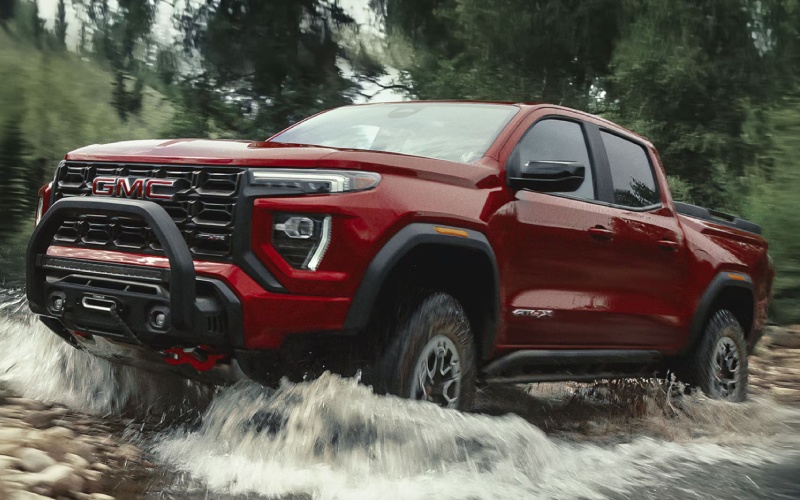
Wilcoxson GMC – Will a 2026 GMC Canyon Fit in My Garage near Canon City, CO?
Garage space around Canon City can vary a lot — from older bungalows with cozy single bays off the alley to newer homes with deeper tandem garages. If you are eyeing the 2026 GMC Canyon for its everyday versatility and weekend capability, it is smart to confirm how the truck’s stance, mirrors, and tailgate play with your specific garage. Below, our Wilcoxson GMC team walks through practical, at-home checks that put you in control, plus some Canyon trim notes that matter for clearance.
Why garage fit can be tricky with a lifted mid-size truck
The 2026 Canyon is a mid-size pickup with a confident posture. Every trim rides with a factory 2-inch lift and a wide track for stability, while Canyon AT4X ups that to a 3-inch factory lift for added off-road clearance. Those benefits pay off on Skyline Drive or Shelf Road, but they change a few in-garage realities — namely door-opening height, mirror-to-shelf width, and how a sloped driveway affects approach angle as you pull in under the opener rail.
Accessories can also stack up. A roof basket, bed rack, light bar, or a mounted awning can easily add inches you may not factor at first glance. Even where the opener head and safety sensors sit can make the difference between an easy park and a stubborn stop just short of the wall.
Quick measuring guide you can do at home
Set aside 10 minutes with a tape and a notepad. These steps will tell you more than any brochure can, because they are specific to your garage and driveway in Canon City or nearby neighborhoods like Lincoln Park and Brookside.
- Measure door opening height: With the garage door fully open, measure from the floor to the lowest part of the open door or track hardware — not just the header.
- Measure clear width: Note the narrowest point between trim, storage, and rail supports. Consider where the Canyon’s mirrors will pass.
- Measure interior depth: From the closed door plane to the back wall or any shelving, water heater, or step-up. Mark where you would like the front bumper to stop.
- Check opener and rail height: Measure the vertical clearance under the opener motor and the rail that runs above the hood line.
- Account for driveway slope: If your driveway ramps up, place a straight board at the slope transition and measure how much the hood will rise as it enters under the door.
- Plan tailgate clearance: Make sure there is space for the tailgate to drop inside the garage if you plan to load with the truck parked.
- Note shelf and handle protrusions: Small items sticking out of a wall shelf can be the first things to touch a mirror or fender flare.
Once you have your measurements, you are ready to compare them against the Canyon you want to test drive. We are happy to talk through specs and help you visualize fit for Elevation, AT4, AT4X, or Denali.
Trim-by-trim notes that matter for clearance
All 2026 Canyon models bring helpful tech and design cues, but a few details can affect how easily you slip past the garage threshold on a windy Arkansas River afternoon.
- Elevation stance: The standard 2-inch factory lift and wide track give the truck a planted feel without extreme height. Great balance if your door opening is on the tighter side.
- AT4 approach: Off-road geometry and tires help on unpaved drives off US-50, but double-check front-end height under your opener rail if your garage is shallow or the driveway is steep.
- AT4X height: With a 3-inch factory lift and available off-road hardware, this trim deserves an extra look at door height and opener clearance, especially with any roof-mounted gear.
- Denali wheels: The exclusive 20-inch diamond-cut aluminum wheels look premium; tire choices can influence overall height slightly, so verify if you are close on your measurements.
- Camera tech for precision: HD Surround Vision and up to 10 available camera views — including Hitch View — can help you center and square up as you nose past shelving. Note that certain accessories like a Safari Bar or Front Grille Light Bar may limit the front camera’s field of view, which can inhibit HD Surround Vision. Always check around the vehicle before parking.
- Tailgate and bed features: The MultiStow® Tailgate’s integrated storage with drain does not extend overall length, so it will not change fit. The available CornerStep rear bumper makes it easier to climb in when parked tight to a wall.
If you are deciding between trims and your garage fit is borderline, these pointers will help you prioritize the right combination of clearance and capability.
Tips if it is a close fit in Canon City neighborhoods
Older garages near downtown and narrow alleys off the back lot can demand a little creativity. These quick adjustments can turn a “maybe” into a confident “yes.”
- Fold mirrors: Folding the mirrors before you enter can give that extra couple of inches at the narrowest point.
- Use visual markers: A wall-mounted stop marker or a tennis ball on a string makes it easy to repeat the perfect park position.
- Shift storage: Relocating a shelf or bin just three to four inches can completely change mirror and fender clearance.
- Raise the opener height: Many openers have adjustable stops — moving the open position up slightly can add vital door clearance.
- Plan for accessories: If you will add a roof basket or bed rack for Royal Gorge weekends, include that height in your plan now rather than later.
- Mind the wind: Canon City’s afternoon gusts can swing a garage side door into the truck as you enter — secure it before you pull in.
Driver aids can make a tight entry feel routine. Rear Park Assist, Rear Cross Traffic Braking, and available HD Surround Vision provide helpful awareness, but always back them up with a slow, careful approach in close quarters.
One more local note: sloped drives up from the alley can lift the front end under the garage door while the rear sags slightly. Because the Canyon’s high-clearance front fascia is designed to improve approach angle, it often clears well, but checking that opener rail height where the hood passes is still essential.
How we help at Wilcoxson GMC
When you visit us in Pueblo — a straightforward US-50 drive from Canon City — our team will walk you through the Canyon’s stance and features that matter most for your garage. We can review measurements with you, demonstrate camera views like HD Surround Vision and Hitch View for precision parking, and talk through accessories that keep height in check. If you are weighing trims, we will help you balance capability with everyday practicality so your driveway and garage routine stays simple.
Beyond fit, the 2026 Canyon’s standard TurboMax® engine, ProGrade® Trailering System, and available camera views make daily life easier — whether you are threading into a cozy garage, backing a small utility trailer, or loading gear with the available 120V bed outlet and spray-on bedliner. It is a truck built to handle Canon City weekdays and Fremont County weekends without drama.
Frequently Asked Questions:
Will a bed rack or rooftop tent keep the Canyon from clearing a 7-foot door?
It can. Many racks and tents add several inches of height, and some sit higher than the cab. If your open-door clearance is close, consider low-profile rack systems and confirm the combined height before you install.
Does the MultiStow® Tailgate change how far the truck sticks out in the garage?
No. The integrated tailgate storage is built into the tailgate itself, so overall length does not change. You will still want to check that you can drop the tailgate inside if you plan to load gear while parked.
Can the Canyon’s cameras help me center in a tight opening at night?
Yes. Available HD Surround Vision and multiple camera views can give a clear look around the truck as you enter. Keep in mind that added accessories like a Safari Bar or Front Grille Light Bar may limit the front camera’s field of view, and lighting conditions can affect image quality. Always use cameras as a supplement to careful driving.
I have a steep driveway into the garage — anything special I should check?
Measure opener rail clearance right where the hood will pass, not just at the threshold. Because the Canyon rides higher with its 2-inch factory lift — and 3 inches on AT4X — that rail can be the lowest point you encounter as the front rises on the slope.
If my garage fit is extremely tight, should I avoid certain trims?
If you are right on the edge with your door height or interior depth, the extra suspension height and off-road hardware on AT4X may require more careful measuring. Elevation, AT4, and Denali all carry the standard 2-inch factory lift, which many owners find more garage friendly. Our team can compare the specific Canyon in stock to your measurements so you choose with confidence.
If you want a second set of eyes on your plan, bring your measurements to Wilcoxson GMC. We will help you map them to the exact 2026 Canyon you are considering and talk through any accessories or trim-level differences that could make your daily in-and-out a seamless routine. When you are ready, schedule a Canyon test drive and garage-fit consultation — we are here to help you get it right the first time.
Request more 2026 GMC Canyon information
A Better Way to Shop and Service Your Next Vehicle — GMC Dealer near Colorado Springs, CO
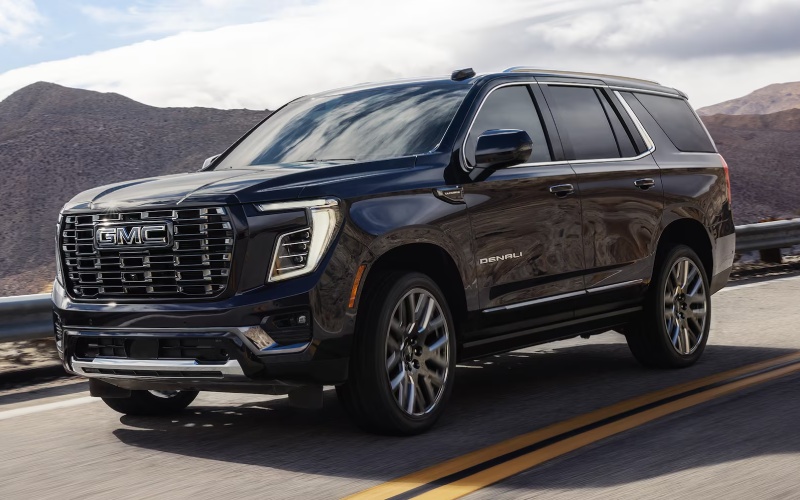
Wilcoxson GMC – A Better Way to Shop and Service Your Next Vehicle — GMC Dealer near Colorado Springs, CO
Shopping for a new or pre-owned vehicle around Colorado Springs should feel confident, convenient, and clear from the first click to the first drive. Our team delivers exactly that experience, backed by a long-standing commitment to transparent guidance, streamlined financing, and certified service that keeps your vehicle performing its best. Whether you commute along I-25, head east on US-24, or make weekend runs toward the foothills, we understand how Colorado Springs drivers use their vehicles day to day—and we tailor every step to fit that reality.
At Wilcoxson GMC, we focus on what matters most to local shoppers: easy-to-browse inventory, helpful product specialists who listen first, fast and fair trade-in evaluations, and a service department that treats preventive maintenance with the same care as complex repairs. If you have questions about features—from driver-assist tech to everyday capability—we take the time to walk you through options and help you choose with confidence.
Local-first support for Colorado Springs drivers
Our location makes test drives and service visits simple for Colorado Springs residents and Front Range families. Many shoppers tell us the drive down the I-25 corridor is straightforward and often faster than crossing town traffic—especially when you schedule an appointment that fits your weekday or weekend routine. We also help you pre-plan your test route so you can experience a vehicle on real roads you use, whether that includes highway merges, steady climbs, or quick city stops.
From Fort Carson to the north end of town near Briargate, drivers trust us to keep the process efficient. We provide flexible appointment windows, clear next steps, and regular communication so you always know where things stand—before, during, and after your visit.
An inventory approach built for the Front Range
Your needs drive our inventory strategy. That means a broad range of trims and configurations, practical packages for daily commuting, and vehicles set up for weekend gear, pets, and family life. If you are comparing space, seating, or towing confidence, we break it down in plain terms and demonstrate real-use scenarios that match Colorado Springs driving—think quick passes on Powers Boulevard, backing into a downtown space, or climbing toward higher elevations.
Prefer to do your homework first? Start online, shortlist a few favorites, and ask us to have them ready side by side. We can also begin your trade-in evaluation and financing steps in advance so your in-store time is focused on hands-on evaluation and final decisions.
- Inventory variety: Explore a wide selection of trucks and SUVs to suit commuting, family hauling, or weekend adventures.
- Advisory approach: Work with product specialists who answer questions clearly and respect your pace.
- Test-drive scheduling: Choose routes that include highway, city, and hilly stretches to reflect your daily drives.
- Trade-in process: Receive a transparent, market-informed appraisal with a simple, step-by-step explanation.
- Delivery options: Ask about convenient ways to complete paperwork and take delivery on your timeline.
Financing that fits—without the runaround
Financing should support your goals, not complicate them. Our finance team partners with a range of reputable lenders and local institutions, and we work to align term length, down payment preferences, and protection options with how you plan to use your vehicle. You can start your application online, upload documents securely, and arrive with much of the heavy lifting already done.
We also offer clear explanations of available coverage options—such as service contracts and appearance or wheel-and-tire protections—so you can decide what delivers genuine value for Colorado Springs conditions and roads.
- Browse online: Save vehicles you like and request side-by-side comparisons.
- Personalize payments: Share your goals so we can tailor options you can easily compare.
- Value your trade: Begin a remote appraisal, then confirm in store for final figures.
- Book your visit: We will prepare vehicles, coordinate your test route, and reserve time with finance.
- Drive home confidently: Finalize paperwork with clear, concise documents and no surprises.
Certified Service, GM Genuine Parts, and ACDelco expertise
Keeping your vehicle ready for Colorado Springs traffic, steady climbs, and frequent elevation changes takes consistent care from trained professionals. Our Certified Service technicians know GM vehicles inside and out, use GM Genuine Parts and ACDelco components, and perform Multi-Point Vehicle Inspections designed to spot small issues before they become big ones. From oil changes and tires to brakes and batteries, we help you stay on schedule with reminders, straightforward estimates, and quick-turn appointments.
Need to keep your day moving? Ask about shuttle rides to home or work during service appointments. We also have program benefits like our Wilcoxson Lifetime Advantage Program with lifetime oil changes and helpful convenience perks—another way we keep maintenance simple long after the sale.
Answers to common Colorado Springs questions
Colorado Springs drivers often ask how we help them evaluate features for local driving. Our team is comfortable walking you through driver assistance and visibility tools, trailering supports, and hands-free technologies at your pace, including how advanced systems—like Super Cruise® or the ProGrade® Trailering System—work in everyday scenarios. We can also discuss ground clearance needs, cargo systems for outdoor gear, and the practicalities of maneuvering and parking around downtown or trailhead lots.
If you are balancing workweek mileage with weekend escapes, let us know. We will help you zero in on the right balance of comfort, capability, and efficiency for your exact routine.
Frequently Asked Questions:
How close are you to Colorado Springs, and is the drive worth it?
Many shoppers make a straightforward trip down I-25 to visit us, and they tell us the combination of selection, attentive guidance, and efficient appointments makes the visit well worth it. Schedule ahead, and we will have vehicles staged and ready so you can focus on driving and deciding.
Can I start financing and trade-in steps online?
Yes. You can begin your credit application and trade-in evaluation from home. Share a few details, and we will outline options before you arrive so your in-store time centers on test drives and final confirmations.
Do you accept trade-ins from any brand?
We consider trades from nearly all major brands. Bring your vehicle for a quick, market-informed appraisal, and we will explain how we arrived at the figure with clear, documented inputs.
How do you support long-term ownership?
Our Certified Service team uses GM Genuine Parts and ACDelco components, follows factory-recommended procedures, and provides Multi-Point Vehicle Inspections to keep you informed. We also offer convenient appointment times and shuttle rides during service to help your day run smoothly.
Can you walk me through advanced tech during a test drive?
Absolutely. We demonstrate key features in real-world conditions and explain how to customize settings to your comfort level. If you have specific systems in mind, let us know ahead of time, and we will tailor your test route and in-cabin tutorial.
We also proudly serve shoppers and owners across Southern Colorado, including those serving Pueblo, La Junta, and Canon City.
When you are ready to compare vehicles, sort through features, and line up easy financing—with service support that keeps your vehicle ready for everyday Colorado Springs driving—our team is here to help you move confidently from research to results. Work with Wilcoxson GMC for a straightforward experience grounded in expertise, clear communication, and genuine respect for your time.
Have questions now or want to see specific vehicles in person? Contact Wilcoxson GMC to request more information, set up a tailored test drive, or begin your trade and financing steps online. If you prefer, we will prepare a side-by-side comparison and walk you through everything at your pace when you arrive. However you choose to shop, Wilcoxson GMC is ready to help you make a confident, informed decision.
Request more information

Wilcoxson GMC – Do I need the 2026 GMC Sierra 1500 X31 Off-Road Package near La Junta, CO?
If your week includes paved drives along US 50 and regular runs out to fields or job sites on washboarded county roads, it is natural to wonder whether the available X31 Off-Road Package on the 2026 GMC Sierra 1500 is a must-have or a nice-to-have. At Wilcoxson GMC, we help La Junta and Arkansas Valley shoppers choose the right build for real-world driving — whether that is a daily commute to Pueblo, a haul of irrigation supplies out past Rocky Ford, or a weekend trip to Bent’s Old Fort and the Comanche National Grassland.
Below, we break down what the X31 Off?Road Package adds, when it pays off around La Junta, and when a well-equipped standard Sierra 1500 will serve you perfectly. We also cover how related features — like the available Max Trailering Package, integrated Trailer Brake Controller, and ProGrade® Trailering System — fit into the decision.
What the X31 Off-Road Package actually includes
Before you decide, it helps to know precisely what you are getting. The X31 Off-Road Package is designed to add durability and control when the pavement ends — exactly the conditions you will find on many county and farm roads across Otero and Bent counties.
- Off?road suspension: Tuned to manage ruts and washboard while helping the truck stay planted when surfaces get loose.
- Hill Descent Control: An antilock braking feature engineered to help provide a smooth, controlled descent on steep declines, useful on two-track access and boat ramps.
- Underbody skid plates: Added protection for key components when the road surface gets rocky or deeply rutted.
- Heavy?duty air filter: Extra reassurance for dusty seasons along the Arkansas Valley.
- Exclusive X31 badging: An easy way to spot the package at a glance.
These upgrades integrate with the Sierra 1500’s standard systems — including Stabilitrak® — so you keep the confident on-road manners that make the truck easy to live with in town.
Who around La Junta benefits most from X31
In our experience, X31 proves its value if your weekly routine reliably includes unpaved routes, elevation changes, or frequent transitions between chip seal, gravel, and dirt. Think about these common local scenarios:
- Regular gravel travel: If you hit county roads east of La Junta most days, the off-road suspension’s added control can reduce head-toss and help keep the bed secure over washboard.
- Field and pasture access: Skid plates are low profile peace of mind when crossing ruts or erosion cuts to gates, pivots, or shop buildings.
- Boat ramps and grades: Hill Descent Control is helpful on low-speed, loose-surface ramps at John Martin Reservoir and sloped access drives on private property.
- Dusty seasons: A heavy-duty air filter is a smart match for windblown silt on spring and late summer days along the river corridor.
If two or more of those bullets sound like your typical week, the X31 Off-Road Package is a smart, durable upgrade that you will feel daily.
When the standard Sierra 1500 is already enough
Not everyone needs X31. If your truck life is mostly paved — La Junta in-town errands, US 50 to Pueblo, weekends on maintained highways — a Sierra 1500 without the package is already a confident, comfortable choice. You still benefit from key capabilities and available tech, including:
- Available ProGrade® Trailering System to streamline hitching and checks on paved driveways and lots.
- Available integrated Trailer Brake Controller for calibrated stopping with compatible trailers.
- Available Max Trailering Package on SLE, Elevation and SLT light duty trucks if you want enhanced cooling, suspension tuning, and a 9.76″ rear axle for frequent towing.
- Selectable traction aids and Stabilitrak® that help when rain or loose gravel shows up unexpectedly.
If your occasional gravel driving is limited to well-maintained roads at lower speeds, you may prefer to invest in other upgrades — like the world’s first six function MultiPro™ Tailgate for cargo flexibility or the available CarbonPro® composite bed for dent and corrosion resistance.
Engines, towing, and the X31 decision
Your engine and trailering plans should also inform your choice. The TurboMax™ engine delivers 310 horsepower and best in class standard torque of 430 lb ft, with available max towing of up to 9,400 lbs. If you regularly pull mid-weight equipment or a camper, consider combining your preferred engine with the available Max Trailering Package and the in?vehicle Trailering App within the available Premium GMC Infotainment System. Those tools matter on US 50’s gusty days between La Junta and Pueblo.
Where does X31 fit? The package does not replace trailering technology. Instead, it complements towing if your route includes gravel approaches, uneven job sites, or boat ramps by adding control and underbody protection at low speeds. If you primarily tow on pavement and your sites are flat, you can prioritize trailering features first and add X31 only if your driveways and access roads warrant it.
How X31 compares with AT4 and AT4X
For shoppers who split time between La Junta and true backcountry trails, the Sierra 1500 AT4 and AT4X elevate capability well beyond X31. AT4 adds a factory 2″ lift with off-road suspension, a two-speed Autotrac® transfer case, underbody skid plates, and more. AT4X goes further with Multimatic® DSSV dampers and front and rear electronic locking differentials — a combination not offered on any competitor in its class. If your weekends look more like rocky ledges than ranch roads, we will help you compare AT4 or AT4X to your needs.
A quick local decision guide
Use this simple gut-check if you are still on the fence.
- Choose X31 if: At least three days a week you travel unpaved routes, you want extra protection for occasional ruts and washboard, or you often load and unload on sloped dirt or gravel.
- Skip X31 if: Your driving is 90 percent paved, your gravel time is slow and short, and you prefer to invest in cargo tech like MultiPro™ Tailgate or comfort features inside.
Either way, our team will build your truck around how you truly drive — not just how a spec sheet looks.
Test it where you will use it
We encourage La Junta shoppers to feel the difference. When you schedule a drive with us, we will map a route that mirrors your daily use — highway miles, stop and go, and a maintained gravel segment — so you can compare a Sierra 1500 with and without X31 back to back. We can also walk you through bed options, the available MultiPro™ Tailgate, and how the in vehicle Trailering App and myGMC mobile app work together for pre-departure checklists and maintenance reminders.
Frequently Asked Questions:
Does the X31 Off?Road Package make the ride stiffer on pavement?
The off-road suspension is tuned for control on uneven surfaces, but it remains comfortable for daily driving. Most La Junta-area owners tell us it feels composed over highway joints and city streets while better managing washboard and ruts compared to a non-X31 truck.
Will Hill Descent Control help on boat ramps at John Martin Reservoir?
Hill Descent Control is engineered to help provide a smooth, controlled descent at low speeds on steep declines — including low traction surfaces like gravel or wet ramps. Engage it as outlined in your Owner’s Manual for best results.
Can I add X31 later if I buy a Sierra 1500 without it?
X31 is a factory package with integrated tuning and components. While accessories like skid plates can be added later, the complete X31 setup — including its specific suspension tuning — is not something we can replicate perfectly after the fact.
Does choosing X31 change bed or tailgate availability?
No. You can still equip your truck with the world’s first six-function MultiPro™ Tailgate and, on select trims, the available CarbonPro® composite bed. We will help you pair X31 with the cargo features that fit your work.
If I plan to tow a horse trailer on US 50, do I need X31 or the Max Trailering Package?
Prioritize trailering hardware first. The available Max Trailering Package on SLE, Elevation and SLT light duty trucks adds a 9.76″ rear axle, enhanced cooling radiator, revised shock tuning, heavier duty rear springs and a 220 amp alternator. Pair it with the available integrated Trailer Brake Controller and ProGrade® Trailering System. Add X31 if your loading areas or routes include unpaved grades or rutted approaches.
How does X31 compare in value to moving up to AT4?
X31 is a targeted durability and control upgrade for trucks that live on mixed surfaces. AT4 adds broader capability — like a factory 2″ lift — plus interior and exterior content. If your routes are mostly gravel roads and access tracks, X31 is often the value choice. If you are tackling tougher terrain regularly, AT4 is worth a close look.
Whether you land on a Sierra 1500 with the X31 Off-Road PackageRoad Package or a pavement-focused build with trailering and cargo tech, our team at Wilcoxson GMC will tailor your truck to La Junta life. Tell us where you drive, what you tow, and which features matter daily — we will help you choose the configuration that keeps you confident from downtown La Junta to the last gate on your property.
Ready to compare trucks side by side? Contact Wilcoxson GMC to set up a route that reflects your week, explore the available ProGrade® Trailering System and in vehicle Trailering App, and see how features like the MultiPro™ Tailgate and CarbonPro® bed can make work and weekends easier in the Arkansas Valley.
Request more 2026 GMC Sierra 1500 information
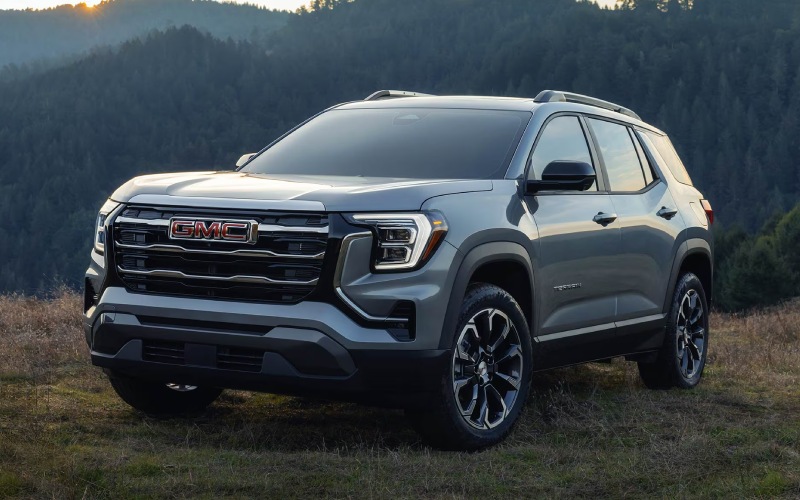
Wilcoxson GMC – How the 2026 GMC Terrain Black Edition Fits Pueblo, CO Style and Everyday Function
Pueblo has a distinct personality—art-forward, down-to-earth, and shaped by the Arkansas River and a lively downtown. If you want a compact SUV that matches that energy while staying practical for everyday use, the 2026 GMC Terrain Black Edition is a strong fit. It adds bold, cohesive styling to a platform already known for easy-to-use tech and a comfortably refined ride. Whether you are commuting along I-25, cruising the Riverwalk, or heading west on US-50 for an afternoon drive, this special appearance package blends presence and purpose without feeling overdone.
What the Black Edition Adds
The Black Edition builds on Terrain’s confident stance with design elements that immediately set it apart. You get 19-inch gloss-black aluminum wheels that fill the arches with a uniform, athletic look. The darkened grille and C-shaped surrounding bezel sharpen the front profile, while black mirror caps, black roof side rails, and black exterior accents create a curated, monochrome theme. Red GMC lettering against the black badging is the finishing touch, the kind of subtle contrast that catches the eye without shouting for attention.
What stands out is how cohesive it all feels. Some appearance packages mix finishes or textures in a way that can look busy. The Terrain Black Edition keeps things consistent from front to back so nothing breaks the visual line—clean, contemporary, and just the right amount of bold for Pueblo’s streets and the weekend scene at Lake Pueblo State Park.
Form Meets Everyday Function
Looks are great, but daily life asks more of your SUV. The good news is the Terrain foundation you know—clear sightlines, a quiet cabin, and intuitive displays—remains at the core of the Black Edition. The 15-inch diagonal Premium GMC Infotainment System provides a generous canvas for maps and media, and the 11-inch Driver Information Center keeps key details right where you expect them. That kind of at-a-glance clarity matters when you are merging near Dillon Drive or catching an exit toward Northern Avenue. The large-format displays also help reduce menu-diving, which can make longer days on I-25 feel less tiring.
Inside, standard heated front seats and a heated steering wheel bring welcome comfort to cool mornings or late-night drives after a show at Memorial Hall. Add available wireless smartphone charging for a cleaner console and the available panoramic sunroof to open up the cabin on those bright Southern Colorado days. The available AutoSense liftgate is another everyday win—keep your keys in a pocket or bag, approach with hands full of groceries from the Pueblo Farmers Market, and let the Terrain do the rest.
Parking and Maneuvering With Confidence
Pueblo’s downtown is vibrant and popular, which means parking can be snug depending on the time of day. That is where Terrain’s visibility tech shines. Available High Definition Surround Vision can provide a real-time composite view around the vehicle, making it easier to line up in tight curb spots. Pair that with the available Rear Camera Mirror for a broader perspective behind you when traffic and pedestrians are moving quickly. It is functionality that feels natural the first time you use it and quickly becomes something you miss in vehicles that do not offer it.
Who the Black Edition Fits Best
The 2026 GMC Terrain Black Edition fits a wide range of lifestyles, but we see three standouts in Pueblo:
- Drivers who want a clean, monochrome look that complements a minimalist aesthetic without sacrificing practicality.
- Commuters who value large, easy-to-read screens and intuitive controls that reduce distraction on daily routes.
- Weekend explorers who appreciate an SUV that transitions seamlessly from city events to scenic drives around the Wet Mountains.
Comparing Black Edition to Elevation Premium
Some shoppers cross-shop the Black Edition with the Elevation Premium package. Both add style and convenience, but they serve different tastes. Elevation Premium mixes brushed aluminum roof side rails with 19-inch Technical Gray machined-face aluminum wheels, and brings CoreTec seating in After Dark or Gideon Gray/After Dark, dual-zone automatic climate control, the AutoSense liftgate, and wireless smartphone charging. If you want a sport-luxe look with comfort adds baked in, Elevation Premium hits the spot. If you are drawn to a unified, blacked-out presence and will build convenience options a la carte, the Black Edition is the targeted pick.
How It Feels on Pueblo Roads
Beyond looks, the Terrain’s ride quality is its quiet strength. The suspension tuning smooths choppy pavement on busy stretches of I-25 while staying composed over expansion joints on US-50. Steering is light in town and reassuring on the highway, and cabin noise is well controlled so podcasts and conversations come through clearly. As for visibility, the combination of the large center display, driver display, and clear outward sightlines helps reduce the “peek and lean” posture some compact SUVs require around tight corners and angled intersections.
Frequently Asked Questions:
Is the Black Edition available on multiple Terrain trims?
The Black Edition is built as a special styling package for the Terrain lineup. Availability can vary by configuration, so check current inventory and build options.
What features can I add to the Black Edition?
You can equip convenience and tech adds such as wireless smartphone charging, the panoramic sunroof, and available High Definition Surround Vision based on configuration and availability.
Does the Black Edition change suspension or capability?
The Black Edition is a design and appearance package. If you want added clearance and off-road-oriented hardware, look at Terrain AT4.
How does the Black Edition differ from Denali?
Denali focuses on luxury and advanced visibility tech—think heated and ventilated front seats, heated rear outboard seats, animated lighting, and available Rear Camera Mirror—while the Black Edition emphasizes a cohesive monochrome exterior aesthetic.
Why Shop Locally for Your Terrain
Shopping close to home makes sense. Our team knows how the Terrain fits Pueblo’s mix of daily commutes, weekend plans, and family routines, and can help you decide whether the Black Edition, Elevation Premium, AT4, or Denali aligns best with your driving. We set you up with test routes that reflect real use, from parallel parking practice near Union Avenue to a highway merge on I-25. It is a smarter way to shop and a better way to understand how the Terrain matches your life.
If the 2026 GMC Terrain Black Edition feels like your style, it is easy to take the next step. Explore current inventory, compare configurations online, and schedule a test drive. You can value your trade and complete a credit application to save time, then stop by for a closer look at the details that matter most to you. We are here to help you build the Terrain that fits your daily rhythm—stylish, capable, and ready for Pueblo’s pace. Wilcoxson GMC is proudly serving Colorado Springs, Pueblo, and La Junta, and our goal is to make your SUV search straightforward from the first click to your first drive.
When you are ready to see the Black Edition in person, we will have it staged and ready—interior screens set, visibility features walked through, and exterior details highlighted so you can compare finishes up close. If you would like to sample how it fits your day-to-day, ask for a test drive route that includes a mix of stop-and-go near the Riverwalk and a quick highway loop. We will walk with you step-by-step, answer questions, and help you make a confident choice.
Request more 2026 GMC Terrain information
Colorado Springs, CO Workdays to Weekends — The 2026 GMC Sierra 2500 HD MultiPro Tailgate and Bed Systems Explained

Wilcoxson GMC – Colorado Springs, CO Workdays to Weekends — The 2026 GMC Sierra 2500 HD MultiPro Tailgate and Bed Systems Explained
The 2026 GMC Sierra 2500 HD is a heavy-duty pickup that solves everyday problems in smart, practical ways—starting with the available MultiPro™ Tailgate and a bed designed for real work. Around Colorado Springs, CO, where job sites can sit miles apart and weekend plans run straight into the mountains, a flexible, well-thought-out bed system saves time and energy. Let’s break down how MultiPro and the Sierra HD’s cargo features come together, and how to pick the configuration that suits how you actually load, haul, and unload.
What the MultiPro Tailgate Does Differently
MultiPro is a six-function tailgate that tackles the most common pain points in truck ownership—loading heavy items, reaching deeper into the bed, managing awkward cargo, stepping up safely, and creating a quick work surface. Built with integrated cutlines and smart hinges, it opens in multiple ways to match the task at hand. The key is how those positions flow: primary gate for everyday drops, inner gate for higher load stops, full-width step when you need it, and a work-surface configuration for on-the-fly organization. If your day includes back-to-back stops from downtown job sites to projects near Garden of the Gods, that flexibility becomes second nature.
- Primary Gate: Standard drop for quick loading and unloading
- Load Stop: Inner panel flips up to secure longer items
- Full-Width Step: Stable step-in for easier bed access
- Work Surface: Desk-like platform for plans, laptops, or small tools
- Inner Gate Access: Brings you closer to items near the front of the bed
- Audio Option: Available KICKER accessory integrates audio in the gate
Each position is engineered to feel sturdy and secure. The step configuration is especially helpful when you’re moving between the cab and bed dozens of times a day. Add it up and MultiPro becomes a daily time-saver, not just a party trick.
Best-in-Class HD Bed Volume and Smart Cargo Strategies
A great tailgate needs a great bed to back it up. The Sierra HD offers best-in-class HD cargo bed volume, which is a fancy way of saying you can carry more in fewer trips. In practical terms, that means less re-stacking and fewer tie-down improvisations when you’re hauling oversized gear. For drivers taking US-24 or I-25 with ladders, piping, landscaping equipment, or bulky boxes, capacity matters—especially when traffic or weather can change plans on a dime.
Beyond the raw space, consider these practical strategies to get even more from the Sierra HD’s bed systems:
- Use the Load Stop: Flip the inner load stop to stabilize lumber, conduit, or trim
- Go Vertical: Stack strategically with the gate’s work surface as a staging area
- Tie-Downs First: Place anchor points within easy reach of heavy items
- Step for Safety: Use the step mode to reduce awkward climbs and slips
- Audio Module: For long days on site, the available KICKER system adds utility
The result is a system that scales with your day. You can load once, then reconfigure the gate at each stop to unload quickly while keeping your back and knees in better shape.
Trailering Days Go Smoother with Camera Views and In-Vehicle Tools
Bed utility is only half the story—many Colorado Springs drivers rely on their Sierra 2500 HD to tow. That’s where available up to 14 camera views and the In-Vehicle Trailering App earn their keep. Hitch views help you align quickly. Surround views give you the confidence to navigate tight job sites or trailhead parking areas. And during the drive, the system can help you keep tabs on trailer status without guesswork. When you combine that tech with the MultiPro Tailgate’s easy step and staging positions, pre-drive checks and hookups feel more organized from the start.
For those new to heavy-duty trailering, the Sierra HD’s available trailering technologies don’t just add convenience—they reduce the mental load of every trip. Fewer hops in and out of the cab. Fewer back-and-forth corrections. More visibility where it counts.
Choosing the Right Trim for Bed and Tailgate Utility
While MultiPro is widely available, the way you use it might steer you toward a particular trim. If your week is job-focused with light off-road needs, an SLT or AT4 could fit nicely—pairing bed flexibility with driver-focused tech. If your routes take you deeper into rough terrain near Rampart Range, the AT4X’s suspension and tires add confidence while still letting you take full advantage of the tailgate’s step and work-surface modes. On the other end of the spectrum, Denali and Denali Ultimate bring premium interiors to long days in the driver’s seat, a meaningful difference for anyone putting in extended windshield time between worksites and supplier runs.
Here’s a quick guide to bed-and-tailgate priorities by use case:
- Frequent Loading: Prioritize MultiPro plus bed liners and tie-down packages
- Mixed Hauling and Towing: Add the In-Vehicle Trailering App and camera views
- Off-Road Access: Consider AT4 or AT4X for added clearance and protection
- Long Commutes: Look at Denali or Denali Ultimate for premium seating and sound
Frequently Asked Questions:
Can MultiPro support heavy loads when used as a step?
The system is engineered for stability in step mode. As with any tailgate step, follow load guidance in the owner’s manual and step squarely on the designated surface.
Does the MultiPro configuration affect hitching or trailer wiring?
No—the tailgate positions are designed to complement hitching tasks. Use camera views and the In-Vehicle Trailering App to line up, then set the gate back to a standard position before departure.
Is the KICKER audio module weather-resistant?
The available MultiPro Tailgate Audio System by KICKER is designed specifically for tailgate use. Always follow usage and care guidelines for the best long-term performance.
Which bed accessories work best with MultiPro?
Common add-ons include spray-in liners, cargo dividers, and rail-mounted tie-downs. If you frequently carry long items, pair a bed extender with the gate’s load stop for added stability.
Will camera views help in tight urban job sites?
Absolutely—available HD Surround Vision and related views provide multiple angles to help you maneuver confidently where space is tight and sightlines are limited.
If your work and weekends are a mix of hauling, trailering, and quick stops across Colorado Springs, the Sierra 2500 HD’s MultiPro Tailgate and bed design simplify it all. You will spend less time repositioning and more time getting the task done. It is this kind of practical, everyday advantage that sets the Sierra HD apart—and why so many drivers who try MultiPro never want to go back. At Wilcoxson GMC, we’re serving Colorado Springs, Pueblo, and La Junta with real-world guidance on bed setups, trim choices, and accessories that match how you use your truck. When you are ready, explore configurations and schedule a hands-on walkaround to see how the MultiPro Tailgate adapts to your routine.
Request more 2026 GMC Sierra 2500 HD information
Wilcoxson GMC – Big-Screen Confidence for La Junta, CO Drives — Getting More from the 2026 GMC Acadia’s 15-inch Display and Driver Assistance
When you climb into a 2026 GMC Acadia, the 15-inch-diagonal center display immediately reassures you that daily driving in and around La Junta can be simpler. Maps are easier to read, camera views are larger, and your go-to apps are never more than a quick tap away. Add an available digital driver display and a Head-Up Display, and the information you rely on most becomes seamless—no more flipping between menus to find the basics you need during a busy morning on 6th Street or an afternoon run along US-50.
This guide focuses on how to get real value from that big display and key driver assistance features. Whether you use Google Maps for routing, Apple Music or Spotify for playlists, or prefer the native GMC interface, the Acadia’s layout is designed to handle navigation, audio, and alerts without clutter. Combined with features like available Adaptive Cruise Control, HD Surround Vision, and optional hands-free capability through Super Cruise, the Acadia has the practical tech mix that keeps you composed when schedules get tight and traffic gets dense.
Set Up Once, Enjoy Every Day
Before your first longer trip, spend a few minutes tailoring the display to your preferences. You can adjust the order of apps, set your favorite map view, and confirm your most-used shortcuts live on the home screen. This up-front time pays off—especially if you’re regularly juggling school drop-off routes around La Junta Primary and quick detours to Prairie Avenue for errands.
Pair your phone wirelessly and confirm contacts, media, and messages sync correctly.
Sign in to your Google account to enable Google Maps, Assistant, and personalized suggestions.
Choose your preferred cluster layout on the driver display for speed, route prompts, or driver aids.
Pin your most-used apps—Maps, Phone, Audio—so they’re a single tap from the home screen.
Customize camera shortcuts to quickly pull up the 360-degree view in tight parking around downtown La Junta.
With the basics dialed in, the system fades into the background and simply works. You’ll spend less time searching through menus and more time focusing on the road—precisely how in-vehicle tech should function.
Make the Most of Driver Assistance
Acadia layers in driver assistance features to complement that large display. The key is understanding how these systems help—and what they expect from you—so you feel informed rather than interrupted. Used well, they reduce effort and boost awareness whether you’re heading up to Pueblo for shopping or down to Las Animas for a quick visit.
- Adaptive Cruise Control: Maintains a set following gap on highways and works well for consistent traffic pacing on US-50.
- Lane Keep Assist: Provides gentle steering support if you begin to drift without signaling; useful for long, straight stretches.
- HD Surround Vision: Uses multiple camera views to help while parking or navigating tight driveways and angled curbs.
- Rear Cross Traffic Braking: Can brake when vehicles approach from the sides as you back out of crowded lots.
- Head-Up Display: Projects speed, nav prompts, and alerts so you can keep your eyes forward.
- Super Cruise (available): Enables hands-free driving on compatible highways, ideal for longer hauls toward Pueblo or further west.
Remember—these are assistance features, not substitutions for attention. But when you pair them with the 15-inch display and the clear, high-resolution camera views, you create a calmer, more aware driving experience day after day.
Everyday Scenarios the Big Display Solves
In a smaller screen, toggling between apps and menus can feel tedious. The Acadia’s wide canvas makes quick work of real-life needs around La Junta, where a lot of trips involve short hops that demand minimal fuss. Three scenarios where size and layout pay off most:
You can keep full-width map guidance up while splitting the lower portion of the screen for audio and phone—perfect when you are navigating to a new ballfield at a local park and need one-tap control over calls. The larger surface also makes camera views easier to read when parallel parking near a busy storefront. Lastly, voice commands are more reliable with clear visual confirmations, so using natural speech to find a coffee stop or reroute around construction becomes second nature.
Dial In Visibility for Night and Weather Changes
Southern Colorado’s skies change quickly—bright sunlight in the morning can soften into low light by evening. In the Acadia, you can set day/night themes or let the screen auto-adjust its brightness with the ambient light sensor. Quick tip: keep camera brightness slightly higher than your map at night for better contrast when backing into driveway spaces or loading zones. Pair this with the available Rear Camera Mirror for added clarity when passengers or cargo block the traditional mirror view.
If you regularly drive early on CO-109 or CO-194, try the Head-Up Display with a moderate brightness setting; it reduces eyes-down glances by surfacing speed and turn-by-turn prompts right where you need them. That small adjustment can help keep your attention focused when the road gets especially dark or quiet.
Finally, refine your alerts. If you prefer fewer chimes, adjust alert volume and frequency without turning off core safety functions. Keeping essential warnings active—but set to a comfortable level—strikes the right balance between awareness and peace of mind.
Feature Checklist to Personalize in Minutes
Not sure where to start? Use this quick checklist to personalize the Acadia for La Junta driving:
- Map View: Choose 2D or 3D and zoom level for your most common routes.
- Favorites: Pin frequently visited destinations like school, work, and grocery stops.
- Voice Shortcuts: Set quick phrases for calling key contacts and pulling up recent routes.
- Camera Presets: Add a one-tap 360-degree view tile for downtown parking.
- Driver Aids: Confirm lane, cruise, and blind-zone settings match your preferences.
- HUD Data: Select which metrics appear—speed limit, upcoming turn, and key alerts.
These small adjustments transform a great system into your system. It saves time, tames busy intersections, and keeps the cabin calm and coordinated on your schedule.
Frequently Asked Questions:
Can I run wireless Apple CarPlay and still use the native map on the 15-inch screen?
Yes. You can prioritize either the native Google Maps or your preferred smartphone mapping app and quickly switch between them, keeping core controls within easy reach.
How does the 360-degree camera help in tight lots around La Junta?
HD Surround Vision stitches multiple camera views to provide a top-down perspective of the SUV and surroundings, making it easier to judge curbs, parking lines, and nearby vehicles.
Do I need to set up my Google account to use the display?
No, but signing in enables Google built-in features like personalized Maps, Assistant, and app preferences, which simplifies everyday use and shortens setup time for future drives.
Will driver assistance features work on rural roads?
Many do. Systems like Lane Keep Assist and Adaptive Cruise Control can support a range of roads with clear markings. Features like Rear Cross Traffic Braking and camera views help in parking and low-speed scenarios regardless of the road type.
For shoppers who want tech that genuinely helps in daily life, the 2026 Acadia’s display and driver aids deliver. When you’re ready to explore hands-on, visit our team—Wilcoxson GMC—serving Colorado Springs, Pueblo, and La Junta—for a demonstration that highlights your everyday routes and priorities.
Request more 2026 GMC Acadia information
Getting More from the 2026 GMC Sierra 1500’s CarbonPro® Bed and MultiPro™ Tailgate around La Junta, CO
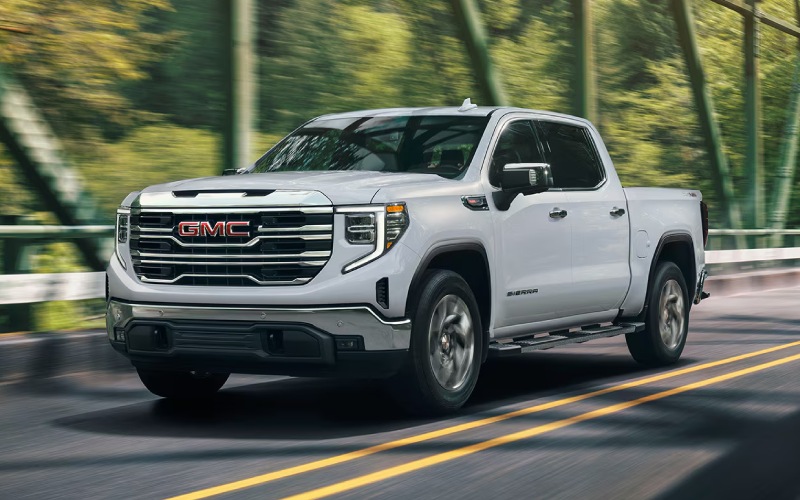
Wilcoxson GMC – Getting More from the 2026 GMC Sierra 1500’s CarbonPro® Bed and MultiPro™ Tailgate around La Junta, CO
The 2026 GMC Sierra 1500 is already a standout for power and technology, but what turns daily use into a daily advantage is its smart bed and tailgate engineering. Around La Junta, CO, where routes often blend town errands with US-50 runs and ranch tasks, the Sierra 1500’s available CarbonPro® composite bed and available MultiPro™ Tailgate transform the pickup box into a flexible workstation that is durable, adaptable, and easy to live with. If you have been weighing bed liners, tailgate accessories, or aftermarket add-ons, here is why starting with Sierra’s factory-engineered solutions can make your day simpler and your truck more capable.
Why CarbonPro® Feels Different
Traditional steel beds are tough, but the available CarbonPro® bed goes a step further with a carbon-fiber composite that brings strength, dent and corrosion resistance, and excellent grip underfoot. For La Junta drivers who move feed bags, fencing, lawn equipment, or bikes, this bed’s surface is purpose-built to handle abrasion and impact without the familiar dings that can accumulate in conventional setups. The design supports impressive short-bed cargo volume, so you can load wider items more easily, and because it is a factory solution, it integrates with cargo tie-down points and Sierra accessories cleanly—no improvising required.
Another practical benefit: CarbonPro® resists temperature-related expansion and corrosion, which helps preserve fit and finish over time. If your week takes you from quiet neighborhood streets to gravel access roads or farm lanes, this combination of durability and utility means you spend less time worrying about scuffs and more time getting things done.
MultiPro™ Tailgate: Six Functions, Real-World Payoffs
The available MultiPro™ Tailgate is more than a party trick—it is a set of six functions that streamline loading, unloading, accessing the bed, and stabilizing long cargo. Whether you are sliding fence posts into the box or hoisting a cooler for a family weekend, the tailgate’s inner gate and load stop features save steps and reduce strain.
- Primary gate: Traditional opening for quick access to the bed.
- Primary gate load stop: Helps secure longer items in the box.
- Inner gate: Lowers independently for closer access to the bed floor.
- Inner gate load stop: Helps stack and stabilize two-tier loads.
- Full-width step: Turns into a sturdy step for easier entry to the bed.
- Work surface: Creates a convenient platform for tools, laptops, or forms.
For tasks you repeat every week—like staging supplies at home, loading weekend gear, or picking up materials at local yards—the MultiPro™ Tailgate’s flexibility pays off in fewer trips up and down, fewer awkward reaches, and better control over bulky items. If you regularly transport long cargo along US-50, the load stops are especially handy for keeping lumber and piping from shifting.
Dialing in Trailering and Bed Tech Together
Many La Junta owners pair bed functionality with trailering. The 2026 Sierra 1500’s available ProGrade® Trailering System helps you do that without juggling separate apps and checklists. From custom trailer profiles to in-vehicle status checks, it consolidates details that matter on busy days. Combined with the bed’s CarbonPro® toughness and MultiPro™ Tailgate utility, the result is a truck that works like a rolling command center—organized, adaptable, and reliable.
It is the small conveniences that stack up: stepping into the bed to secure ratchet straps using the MultiPro™ step; lowering the inner gate to move heavier boxes without straining; or loading a pair of ATVs with confidence because the bed’s surface is robust and grippy. Over time, those saved moments add up to hours you can spend on what matters more.
Frequently Asked Questions:
Do I need a spray-in liner with the CarbonPro® bed?
CarbonPro® is engineered as a composite bed that does not require an additional spray-in liner. Its material resists dents and corrosion while providing excellent durability and grip for everyday cargo.
Can I still use bed accessories with CarbonPro®?
Yes. The CarbonPro® bed integrates with GMC-approved accessories and maintains cargo tie-down functionality, so you can equip bed dividers, racks, and other tools as needed.
Is the MultiPro™ Tailgate step sturdy enough for daily use?
The MultiPro™ step is designed for repeated, real-world use. Its construction provides a stable, wide platform to access the bed and manage cargo more comfortably.
Will the MultiPro™ Tailgate help with long cargo like lumber or conduit?
Yes. The built-in load stops for both the primary and inner gate help stabilize longer items and reduce the chance of shifting while you drive.
Can I get an integrated audio setup with the MultiPro™ Tailgate?
The MultiPro Tailgate Audio System by KICKER is available, offering an easy way to enjoy music outside the truck without occupying the cab’s audio system.
For drivers who shuttle between errands on 1st Street, weekend projects at home, and quick runs along US-50, these bed and tailgate advancements are not just nice-to-have—they are daily quality-of-life upgrades. Pair them with the Sierra 1500’s robust standard torque from the TurboMax™ engine and the available in-vehicle trailering tools, and you have a light-duty truck that feels purpose-built for the way southeastern Colorado lives and works.
If you are mapping out the right configuration for your needs, a quick walkthrough at the dealership can help you compare bed usage scenarios, tailgate functions, and trailering setups. From organizing cargo to simplifying hitching, the Sierra 1500’s factory-engineered solutions bring a level of polish and practicality that aftermarket add-ons often cannot match. The results show up every time you load up, tie down, and roll out.
As you narrow your search, remember that the same qualities that make the Sierra 1500 a hard worker also make it easy to live with during the week—quiet, comfortable cabins, intuitive tech, and available driver assistance features for long stretches of divided highway. That balance between strength and simplicity is why so many La Junta owners put it to work and then choose it again.
When it is time to get hands-on with the CarbonPro® bed and MultiPro™ Tailgate, plan a visit and bring the gear you handle most—ladders, bins, or coolers. Testing the step, the work surface, and the load stops with your actual cargo can be the quickest way to confirm your ideal setup. It is a practical approach that pays you back, mile after mile.
Wilcoxson GMC is proud to be serving Colorado Springs, Pueblo, and La Junta with guidance that connects Sierra 1500 features to everyday use, so you can build the right truck the first time.
Request more 2026 GMC Sierra 1500 information
La Junta, CO Families — How the 2026 GMC Yukon’s Rear-Seat Media and Big-Screen Tech Keep Everyone Happy

Wilcoxson GMC – La Junta, CO Families — How the 2026 GMC Yukon’s Rear-Seat Media and Big-Screen Tech Keep Everyone Happy
If you shuttle kids to activities around La Junta, CO, and like to venture out to Bent’s Old Fort or the Comanche National Grassland, the 2026 GMC Yukon’s family-focused tech can make every mile feel smoother. This is a large SUV that thinks about the whole crew—clear driver information up front, crisp audio and video for passengers, and smart visibility tools that reduce low-speed stress. Here’s a closer look at how the Yukon’s Rear-Seat Media System, Head-Up Display, and camera views fit daily life on the plains and along US-50.
What Makes the Yukon’s Cabin Tech Family-Friendly?
Start with the screens. The available Rear-Seat Media System adds dual 12.6-inch diagonal color-touch HD displays for second-row passengers. Paired with two Bluetooth headphone sets and two HDMI ports on the back of the center console, this setup is ideal when you’re heading out for a long stretch north toward Highway 10 or cruising to Pueblo for a weekend visit. Each passenger can tune in without competing for the same show or audio track, and you keep the front of the cabin distraction-free.
Up front, the available multicolor 15-inch Head-Up Display projects key information directly onto the windshield. That means directions, speed, and certain driver assistance alerts can stay in your line of sight. Around La Junta, where you’re often transitioning from slower in-town speeds to higher-speed highway cruising, this heads-up information helps you remain focused and confident. It also pairs well with the available Driver Information Center to streamline the way you see and manage vehicle data.
How It Helps Day-to-Day Around La Junta
La Junta’s family rhythm usually means multiple stops on a single route—groceries, practice drop-offs, a quick drive to the river walk. The Yukon’s available HD Surround Vision is a quiet hero in those moments. With high-definition, bird’s-eye views, it’s easier to ease into a tight spot by the local fields or navigate a busy lot after a game without the guesswork that can come with a large SUV. On select trims, you can access up to 13 available camera views, including a Rear Camera Mirror option. That wider perspective reduces the need to crane around passengers, cargo, and headrests when you’re backing up or changing lanes.
For the driver, the Yukon’s layout is designed to lower mental load. The optional Power-Sliding Center Console provides flexible storage in the moments you need it—sliding back to make space for a bag or to keep the cabin clutter-free between errands. When it’s time to unplug and enjoy the sky, the available Panoramic Sunroof with its power sunshade brings light and openness that helps longer drives feel less cramped for everyone in rows two and three.
Setting Up Your Tech the Right Way
To get the most out of the Rear-Seat Media System, plan your sources. Many families keep an HDMI streaming stick ready so kids can enjoy their shows on the go. Pair the included Bluetooth headphones and set display preferences for each passenger. For Head-Up Display, choose the layout that prioritizes your routine—some La Junta parents like speed and navigation front-and-center for the daily school run; others layer in driver assistance alerts for higher-speed routes.
Don’t forget to explore the camera menus on your test drive. Understanding which angles feel most helpful—front curb view, hitch view, or the overhead perimeter view—pays off immediately in the grocery store lot or at crowded trailheads. It’s also worth testing the Rear Camera Mirror. The wide digital feed lets you “see through” passengers and cargo for a clearer look behind, which is especially helpful when the third row is full.
Frequently Asked Questions:
Can the Rear-Seat Media screens play different content at the same time?
Yes. Each 12.6-inch screen can operate independently, so passengers can watch different sources or use different inputs while staying on their own headphones.
Do I need to subscribe to anything for the Rear-Seat Media System to work?
No subscription is required to use the screens themselves. If you’re streaming from certain apps or services via a device, that device may require its own plan. The HDMI ports and Bluetooth headphones are hardware features you can use anytime.
Does the Head-Up Display work with navigation?
Yes. When properly configured, the multicolor 15-inch Head-Up Display can project turn-by-turn prompts and key driving information, helping you keep your focus on the road.
How many camera views can I access?
Depending on trim and options, the Yukon offers HD Surround Vision and, on select models, up to 13 available camera views. During your test drive, explore the camera menu to see which views are included on the specific SUV you’re considering.
Is the Rear Camera Mirror always on?
The Rear Camera Mirror replaces the traditional mirror view with a wider digital image when you switch it on. You can toggle between the standard reflective mirror and the digital view, and on most models, adjust brightness and zoom.
Where Comfort and Attention to Detail Come Together
The Yukon’s family tech is only part of its appeal. The cabin materials feel sturdy and upscale, with available leather appointments that hold up to daily use. Available Bose audio brings clarity to podcasts in the front and music in the back, and second-row outboard heated seats keep older kids comfortable on chilly mornings. Add an available Autosense Power Liftgate for hands-free loading, and the Yukon’s day-to-day convenience really shines for La Junta families who balance errands with weekend getaways.
When you’re ready to see how these features come together in person, schedule a test drive and focus your time on the tech that matters most to your crew. You’ll find that once you set up the Rear-Seat Media System, tailor your Head-Up Display, and learn your favorite camera angles, the Yukon becomes a low-stress companion—equipped to handle those long, straight stretches outside town as easily as a crowded parking lot after practice.
At Wilcoxson GMC, we can walk you through the setup during your visit, demonstrate the different camera perspectives, and help you compare trims to find the right fit. Our team is serving Colorado Springs, Pueblo, and La Junta, and we’re happy to tailor your test drive so you leave feeling comfortable with the tech your family will use every day.
Request more 2026 GMC Yukon information
Connect with us

